

Let’s set the record straight—postpartum recovery is no joke. Whether you had a smooth birth or a bumpy ride, welcoming a baby into the world is a full-body, full-heart, full-soul experience. And yet, somehow, new moms are still expected to “bounce back” in six weeks? Here’s what we really want you to know:
1. Postpartum Recovery Takes More Than 6 Weeks
Six weeks might be the check-up date (literally the only check up date for Mom) —but it’s definitely not the finish line. Healing is layered: from your pelvic floor and core muscles to your mental bandwidth and identity. Research shows that tissue healing after birth (especially if you’ve had tearing or a C-section) can take months, not weeks.¹
✨ What can help?
- Book a postpartum pelvic floor assessment—physiotherapy can help improve core strength, reduce incontinence, and support long-term pelvic health.
- Be kind to yourself. Healing is not linear, and “slow” is not a failure.
2. Sleep Deprivation Is Real (and can slow healing)
You’re not just tired—you’re sleep deprived. Sleep is critical for wound healing, hormone regulation, and emotional resilience. Studies show that chronic lack of sleep in postpartum parents is linked to increased inflammation and postpartum mood disorders.²
✨ What can help?
- Aim for rest when you can (even 20–30 minute naps can improve mood and focus).
- Consider acupuncture or lifestyle support from a Naturopathic Doctor for support on helping your body adapt to the change in sleep patterns.
3. You Might Still Look Pregnant—and That’s Normal
Your uterus shrinks gradually, and stretched core muscles take time to restore. Diastasis recti (abdominal separation) is common postpartum and improves best with targeted rehab, not crunches.³
✨ What can help?
- Gentle rehab exercises under the guidance of a trained physiotherapist can help close the gap and rebuild strength.
- Avoid comparing your body to social media snapshots. Real postpartum bodies are healing bodies.
4. Your Mental Health Matters Just As Much As Your Physical Health
Mood swings, intrusive thoughts, irritability, and weepiness can all show up—sometimes unexpectedly. Up to 1 in 5 women experience a postpartum mood disorder, and it’s not a sign of weakness or failure.⁴
✨ What can help?
- Talk to a counsellor trained in postpartum mental health. Therapy can help reduce anxiety, process big identity shifts, and build resilience.
- Don’t wait until you’re “barely coping”—early support is powerful and protective.
5. Every Recovery is Different
Maybe your best friend was jogging at 6 weeks and you still wince walking the stairs. That doesn’t mean you’re doing it wrong. Birth, babies, and bodies are different—and your journey is uniquely yours.
✨ What can help?
- Find a supportive care team that validates your experience and walks alongside you.
- Your care doesn’t end with the baby’s birth—it continues with you.
You don’t have to do this alone. At Roots to Branches, we support the whole you—body, mind, and spirit—through postpartum and beyond. Whether you need physical recovery, emotional grounding, or sleep and nutrition support, our team of Naturopathic Doctors, physiotherapists, chiropractors, counsellors, and massage therapists are here for you.
???? Book your appointment today and take the next step toward feeling like yourself again: Book here
Not ready to come in yet?
Read More: Chiropractic Care for Babies: Busting Common Myths with Facts
Start small: Download our FREE 30-Day ‘Prioritize Your Health Challenge’ to begin reclaiming your energy and wellbeing—one gentle step at a time.
References:
Benjamin, D. R., van de Water, A. T., Peiris, C. L., & Maher, C. G. (2014). Diastasis recti abdominis during pregnancy and postpartum: A systematic review. Physiotherapy, 100(1), 1–8. https://doi.org/10.1016/j.physio.2013.08.005
Glazener, C. M., Abdalla, M., Stroud, P., Templeton, A., Russell, I. T., & Naji, S. (1995). Postnatal maternal health problems after childbirth among women in the Avon Longitudinal Study of Pregnancy and Childhood (ALSPAC) study. BJOG: An International Journal of Obstetrics & Gynaecology, 102(7), 595–602. https://doi.org/10.1111/j.1471-0528.1995.tb11364.x
Okun, M. L. (2016). Sleep and postpartum depression. Current Opinion in Psychiatry, 29(6), 490–496. https://doi.org/10.1097/YCO.0000000000000309
Stewart, D. E., & Vigod, S. N. (2016). Postpartum depression: Pathophysiology, treatment, and emerging therapeutics. Annual Review of Medicine, 67, 231–245. https://doi.org/10.1146/annurev-med-111314-033625
READ MORE

Think 40 is Too Young for Perimenopause? Think Again.
Spoiler alert: it’s not. And if you’ve been wondering whether what you're feeling is “just stress” or “just getting older,” it might actually be something more specific — perimenopause. Despite what you may have been told (yes, we still here this in clinic a lot),...
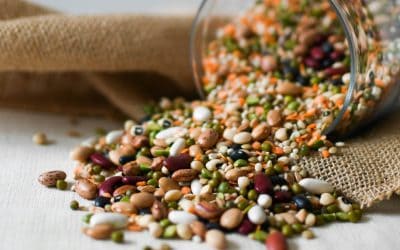
Why Beans & Legumes Belong in Every Woman’s Wellness Plate
Okay, hear me out: beans might not be the flashiest thing on your plate, but they totally deserve a spot in your kitchen (and your life). These little nutritional powerhouses are packed with fibre, protein, and minerals that women’s bodies seriously love—think energy,...
Before You Buy Another Vitamin, Read This…
Reaching for over-the-counter supplements can feel like a smart, empowered choice, especially when you’re tired of feeling off and not getting clear answers from your providers. Maybe a friend swears by something that helped her, or you saw a TikTok influencer raving...
Magnesium: The Mighty Mineral Behind Sleep, Stress, and Strength
Magnesium ???? is perhaps one of our most prescribed minerals in the clinic and often one that clients have read about on their own and have questions about. It is involved in over 300 enzymatic reactions in your body, including: helping to build protein, and support...

Struggling with IBS? Avoid This Common Trap
This is an important message ???? for you if you have been self-treating your Irritable Bowel Syndrome (IBS) symptoms with what friends, “friends” on the internet, or even health care practitioners are telling you. One of the first things people turn to when...

Chiropractic Care for Babies: Busting Common Myths with Facts
Many parents are curious about how chiropractic adjustments might support their baby’s sleep, digestion, and development, but are also curious about what to expect at a treatment, what can it be helpful for, and ultimately, is it SAFE? At Roots to Branches Whole...

IVF Prep Guide: 3 Important Factors to Consider
Are you struggling with infertility and caught in the wait to see an OB/GYN or the fertility clinic? You are not alone. Infertility affects approximately one in six Canadian couples, making it a common challenge for many families. Being caught in the wait can feel...

Understanding Endometriosis: It’s More Than Just Period Pain
March is endometriosis awareness month and today's health note ???? is all about highlighting the important non-period related symptoms that women experience that could be part of endometriosis. Endometriosis is a condition that affects many women, but it’s not just...

3 Tips to Help You Exercise this Winter
I hear from my patients all the time that moving their bodies is hard when it’s cold outside. I can relate, who wants to go to the gym when there’s ice and sleet outside?! Here is my (slow) exercise evolution from the perspective of a non-athletic woman. The take-home...

Foods in Your Kitchen to Support Your Immune System this Season
It's that time of year when our immune systems are being challenged, so I wanted to share some simple things that are likely already in your kitchen that could support your immune health: Support your mucous membranes: our mucosa (in our nose, mouth, lungs, and gut)...