

Many parents are curious about how chiropractic adjustments might support their baby’s sleep, digestion, and development, but are also curious about what to expect at a treatment, what can it be helpful for, and ultimately, is it SAFE?
At Roots to Branches Whole Health Clinic, Dr. Shannon Gow DC, is here to set the record straight. In this article, she’ll debunk the biggest myths about infant chiropractic care and share some facts about its gentle, effective benefits. If you’ve ever wondered whether chiropractic care is safe for babies, read on to learn more.
Chiropractic Care for Babies: True or False?
????️ A baby has to be at least 6 weeks old to be seen?
❌FALSE. There are many wonderful benefits to chiropractic care following birth. There can be muscular tension resulting from labour and delivery. Tension can be present whether the baby was born via vaginal delivery or cesarean. The youngest patient I have personally seen in the clinic was two days old. I adjusted my daughter within hours of her delivery as well.
????️ A pediatric chiropractic appointment will always involve “cracking”
❌FALSE. Pediatric care, specifically for infants, is very gentle. If you compare the movements to what is required for an adult adjustment, they are vastly different. Not all pediatric patients get adjusted, as some treatments will just include gentle stretching. If an adjustment is deemed necessary, it is performed with fingertip pressure.
????️ The pressure used for treatment is like checking an avocado for ripeness at the store
✔️TRUE. Muscle work is not like getting muscles released as an adult. Minor fingertip pressure is used to assess, treat and adjust babies. Some babies even sleep through their treatment. Think about picking up an avocado to check for ripeness or checking the firmness of a tomato. Babies do not need a high amount of force.
????️ The chiropractor can help other areas outside of the spine.
✔️TRUE. There are a variety ofl benefits associated with chiropractic care for babies. The chiropractor can help tackle conditions that involve the spine, like torticollis, but there are a variety of conditions that can benefit from this care. These include tackling shoulder dystocia, issues with sleeping, gassiness/colic, reflux, or support following a tongue tie release.
????️ After a tongue tie is revised, no more needs to be done
❌FALSE. If your baby has a tongue tie that has been released, there are many benefits to stretching the tissue and doing other body work as well. Tethered oral tissues are associated with muscle tension in the neck, shoulders and back, and can even present along with conditions like torticollis. The chiropractor can help your baby decrease this tension.
????️ Chiropractic care is safe and gentle
✔️TRUE. Chiropractic care for babies is a low-force technique. There is minimal pressure put on your new family member. Gentle stretches and muscle release help to increase their overall range of motion, and can help with several conditions.
If you are unsure whether chiropractic care is a good fit for you or your family, feel free to reach out. Let’s get your little one feeling their best!
Book an appointment with one of our Chiropractors HERE
Meet the rest of our team HERE
READ MORE!

Foods in Your Kitchen to Support Your Immune System this Season
It's that time of year when our immune systems are being challenged, so I wanted to share some simple things that are likely already in your kitchen that could support your immune health: Support your mucous membranes: our mucosa (in our nose, mouth, lungs, and gut)...

How to Know if You’re In Perimenopause
Perimenopause is the transition between premenopause and menopause. Perimenopause is occurring as ovulatory function declines. The difference between PMS and perimenopause is whether you ovulate or not. Menopause is defined as 12 months without a menstrual cycle, but...

How Hormones Are Disrupting Your Sleep
Did you know women are TWICE as likely to suffer from sleep disturbances than men? Want to know one of the main reasons why? I'll tell you. ? It's H-O-R-M-O-N-E-S! You will see changes in your sleep and temperature during your menstrual cycle after ovulation. Have...

Soup for a Cause
PRE-ORDER YOUR SOUP The Power of Music Have you ever been to an event where you reflected on how you can be a more kind and more generous person and felt inspired throughout the entire experience? That was how I felt during the William Prince concert last Sunday at...

7 Dietary Strategies for Endometriosis
Endometriosis is a gynecological disorder that involves having uterine-like tissue grow outside of the uterus. Symptoms of Endometriosis Symptoms of endometriosis can include, but are not limited to: cyclic pelvic pain, chronic pelvic pain,painful vaginal...

Top 7 Things to Know About AMH and your Fertility
One blood level that folks can get very stressed about in regards to their fertility is their AMH (Anti-Müllerian hormone) level. AMH is a substance produced by cells in ovary follicles when they are in the preantral phase of development (meaning, they...
The Thyroid Revive Program Webinar Series
It is common to feel like you are hitting a wall with your thyroid health. Maybe your labs are normal but you're always cold, have brain fog, and collapse on the couch every night. With hypothyroidism myself I certainly have felt many of these things! Medication is...
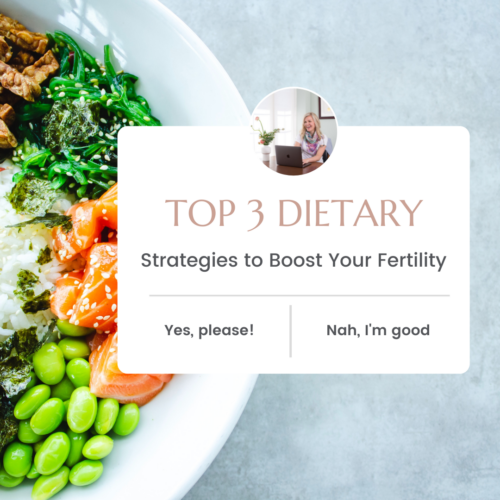
3 Dietary Strategies to Boost Your Fertility
Originally, the Mediterranean diet was touted as the most fertility-friendly diet. Although following a Mediterranean diet does still improve live birth rates, the research found that the more you increased your compliance with the diet, didn’t necessarily continue to...

You’re Stressed and You Don’t Realize It
A Typical Day in the Life of a Busy Woman Women often describe their day, something like this: she gets her family ready for school and work in the morning, making breakfast and lunches for all, and then either takes her own breakfast on the road with her...
Three Dietary Strategies to Improve your PMS
What is Pre-Menstrual Syndrome (PMS)? It is believed that Premenstrual Syndrome (PMS) affects up to 40% of women of reproductive age. PMS is essentially when women experience a number of psychological and physical symptoms in the second half of their menstrual cycle...