

As the holidays approach, many people notice their stress levels rising. Along with the fun parts of the season, there can be pressure, old family roles and dynamics, and a sense of needing to keep everyone happy. If you feel pulled in too many directions this time of year, you are in good company.
Family gatherings often bring long standing patterns back to the surface. You might feel responsible for keeping the peace, managing other people’s emotions, or stepping into a caretaking role you didn’t choose. Even when you want things to feel easy, your body may tighten or go into autopilot.
If you notice stress climbing this season, a few simple practices can help you stay present and grounded:
- Check in with yourself
Before entering a holiday event or in the middle of one, pause for a moment. Take a few slow breaths and ask yourself what you need to feel grounded. Naming your needs gives you a bit more room to respond instead of react.
- Share responsibility
You do not need to carry the emotional weight of your whole family. Notice the part of you that wants to fix or manage everything. Remind yourself that the adults around you are responsible for their own feelings and behaviour.
- Build in small breaks
Short walks, a few minutes of fresh air, or stepping into a quiet room can help your nervous system reset. These brief pauses can make a real difference in how you feel for the rest of the day.
- Set manageable boundaries
Boundaries help you stay connected without losing yourself. You might choose to limit the length of a visit, skip certain topics, or leave an event early if needed. Clear limits support both your well-being and your relationships.
- Let the season fit your values
It is okay to simplify. You can focus on what matters most rather than what feels obligatory. Even small changes can help reduce stress and increase your sense of control.
You deserve a holiday season that feels calmer, more intentional, and true to who you are.
If this season is bringing up deeper stress or old emotional patterns, you do not have to move through it alone. Sarah Mason, Licensed Counselling Therapist Candidate, of Roots to Branches, is here to help you understand your nervous system, gain perspective on your family dynamics, and develop strategies to manage all of the emotions that arise during this busy season.
READ MORE
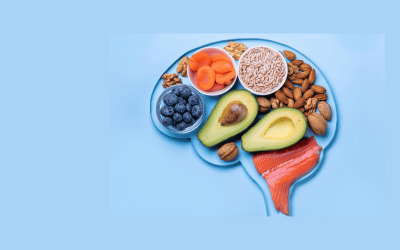
The Gut-Brain Connection: How Your Gut Affects Mental Health
Did you know that your gut and your brain are constantly talking to each other? It's true, and this month, as we shine a light on mental health, we want to share something that might just change the way you think about what's on your plate. The Gut-Brain Connection:...
From PCOS to PMOS: The Name Change That Could Improve Your Care
If you or someone you care about has been diagnosed with polycystic ovary syndrome (PCOS) — or if you have ever wondered whether your symptoms could be related to a hormone condition — this update is for you. Scientists and doctors from around the world have...

Do You Really Need to Quit Coffee? What Your Body Might Be Telling You
You love your coffee. Honestly… same. It’s a warm and grounding little ritual in the morning to start your day — it can be considered one of life’s simple pleasures. But, recently, somewhere along the way, coffee has become labelled as “the problem.” Because...

Perimenopause and Alcohol: Why It Hits Harder Than It Used To
Why Your Holiday Glass of Wine Hits… Differently Now The holidays are here — the season of sparkling lights, cozy gatherings, and just one more festive glass of wine because your friend is having one and it feels rude to say no. But maybe you’ve noticed something...

Perimenopause and Intermittent Fasting: The Truth Behind the Trend
Still wondering if you should be intermittent fasting as a perimenopausal woman? Let’s be honest… Most women don’t wake up one day thinking, “You know what sounds fun? Fasting!” It usually starts with frustration. You notice your body changing in ways that don’t feel...

Postpartum Recovery: 5 Truths Every New Mama Deserves to Know (Plus Helpful Tips to Support You)
Let’s set the record straight—postpartum recovery is no joke. Whether you had a smooth birth or a bumpy ride, welcoming a baby into the world is a full-body, full-heart, full-soul experience. And yet, somehow, new moms are still expected to “bounce back” in six weeks?...

The Stress-Sleep Connection: What’s Really Keeping You Up at Night
Ever lie awake at 3 AM staring at the ceiling, wondering why on earth your brain won’t just shut off? You’re tired. Your body wants to sleep. But your thoughts? Racing. That’s not just “overthinking”—it could be your HPA axis calling the shots. Let’s break this down....

Tired All the Time? 5 Overlooked Causes
Do you feel like no matter how much sleep you get, you’re still exhausted? That you're reaching for a second cup of coffee or a sugary treat to boost your energy mid-day? Fatigue is one of the most common complaints we hear from women, and it’s not something we need...

Top 5 Blood Tests We Recommend for Exhausted Women
You went to bed on time. And slept for a full 8 hours. You feel like you are making nutritious food choices. So why are you still dragging yourself through the day, yawning between meetings, and wondering if this is just what life feels like now? Let’s be clear:...

Early Signs of Perimenopause: What to Watch For
When we hear “perimenopause,” most of us think of hot flashes or night sweats. And yes—those can certainly show up. But what if the first signs are much quieter? What if they sound like this: “I just don’t feel like myself.” This is often the first thing women tell us...