

Ever lie awake at 3 AM staring at the ceiling, wondering why on earth your brain won’t just shut off? You’re tired. Your body wants to sleep. But your thoughts? Racing. That’s not just “overthinking”—it could be your HPA axis calling the shots.
Let’s break this down.
So, what is the HPA axis?
Your HPA axis stands for the Hypothalamic-Pituitary-Adrenal axis. That’s a mouthful, but here’s what matters: it’s your body’s main stress response system. Think of it as a group chat between your brain and your adrenal glands, helping you deal with stress.
Here’s how it works:
- You feel stressed (hello, tight deadlines, family chaos, or even doom-scrolling TikTok too late at night).
- Your brain sends a message to your adrenal glands.
- Your adrenal glands release cortisol—your body’s main “stay-alert” hormone.
Cortisol is helpful… until it’s not
Cortisol isn’t bad. In fact, you need it. It helps you wake up in the morning, react quickly when something’s wrong, and even manage inflammation.
But if your cortisol stays high for too long—like when you’re always anxious, overwhelmed, or skipping rest—your body forgets how to wind down. That’s when it starts messing with your sleep.
How stress hijacks your sleep
When your stress response is stuck “on,” your cortisol levels might spike when they should be low—like at bedtime. That can lead to:
- Trouble falling asleep
Waking up in the middle of the night - Feeling tired even after 8 hours of sleep
Basically, your body’s acting like it’s morning when it’s actually midnight. Your brain is on high alert, scanning for threats that aren’t there—because it’s been trained by constant stress to stay in survival mode. And that high-alert state? It’s not sleep-friendly.
Research shows that elevated nighttime cortisol is a common thread in people who struggle with insomnia. You might find yourself wide awake between 2–4 AM, even though you know you need the rest. Or maybe you wake up too early and can’t fall back asleep. This isn’t just bad luck—it’s a sign your HPA axis needs support.
Signs your HPA axis needs support
You might need to take a closer look at your stress-sleep connection if:
- You wake up tired but feel more alert late at night
- You rely on caffeine to get through the day, then struggle to settle at night
- You’re constantly feeling “on edge” or overwhelmed
- You crash hard in the afternoon (hello, 3 PM slump)
So, what can help?
This isn’t just about popping melatonin. Supporting your HPA axis means calming your whole system. Here are a few gentle, evidence-backed strategies:
- Get morning light exposure – Step outside within an hour of waking. Natural light tells your brain it’s time to start the day, helping regulate cortisol properly.
- Practice stress-reducing and resiliency-building rituals – Deep breathing, yoga, journaling, or even just saying no to one more obligation. Less stress = happier HPA axis.
- Create a calming sleep routine – Think dim lights, herbal tea, and winding down with a book instead of a screen.
- Exercise smart – Movement helps regulate stress, but too much intense exercise (especially late in the day) can keep your cortisol high.
- Get support – Acupuncture can help with improving sleep quality and duration. In addition, Naturopathic Medicine can guide you through positive sleep habits and herbal and supplemental support for your HPA-axis (and sleep)!
If any of this sounds familiar, please know—you’re not being “lazy” or dramatic. Your nervous system has likely been stuck in go-mode for way too long. And the good news? You can reset it.
With the right support, you can train your body to feel safe again—to fall asleep easily, stay asleep, and wake up actually feeling rested.
Let’s talk about how to support your HPA axis—and help you finally sleep through the night.
Book your free naturopathic meet and greet or your acupuncture appointment today
References
Buckley, T. M., & Schatzberg, A. F. (2005). On the interactions of the hypothalamic-pituitary-adrenal (HPA) axis and sleep: Normal HPA axis activity and circadian rhythm, exemplary sleep disorders. The Journal of Clinical Endocrinology & Metabolism, 90(5), 3106–3114. https://doi.org/10.1210/jc.2004-1056
Fries, E., Dettenborn, L., & Kirschbaum, C. (2009). The cortisol awakening response (CAR): Facts and future directions. Biological Psychology, 82(3), 93–98. https://doi.org/10.1016/j.biopsycho.2009.03.014
Leproult, R., Van Cauter, E., & Copinschi, G. (2001). Light exposure and the sleep/wake cycle. Sleep Medicine Reviews, 5(6), 453–471. https://doi.org/10.1053/smrv.2001.0162
Vgontzas, A. N., Tsigos, C., Bixler, E. O., Stratakis, C. A., Zachman, K., Kales, A., Vela-Bueno, A., Chrousos, G. P. (2001). Chronic insomnia is associated with nyctohemeral activation of the hypothalamic-pituitary-adrenal axis: Clinical implications. The Journal of Clinical Endocrinology & Metabolism, 86(8), 3787–3794. https://doi.org/10.1210/jcem.86.8.7717
READ MORE
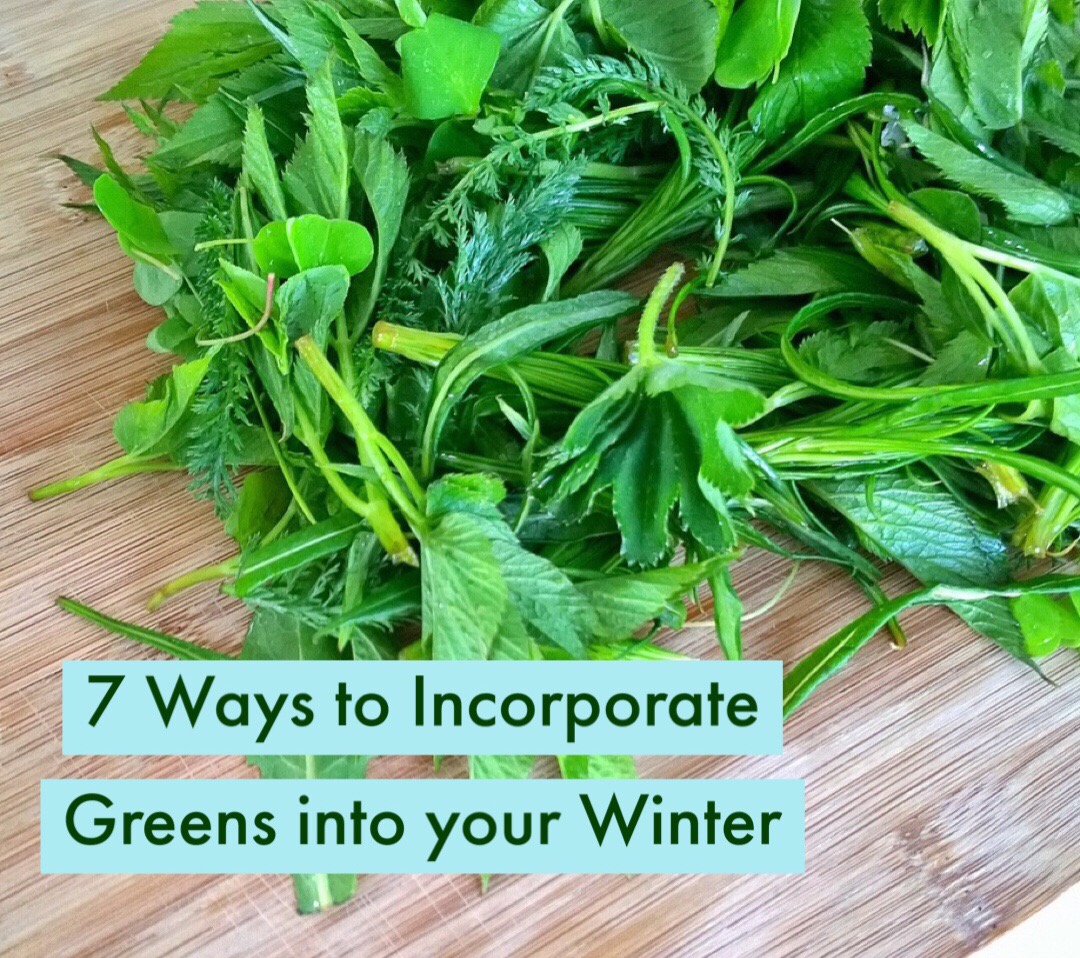
7 Ways to Incorporate Dark Leafy Greens into your Winter
As Naturopathic Doctors, we love to remind our patients about the value of dark, leafy greens. Ideally, we get the majority of our nutrients from whole foods, and leafy greens are true nutritional powerhouses. I often recommend a serving of leafy greens a day, and...

Meal Planning 101: Eating Healthy Meals Made Easy
I’m a true believer that having a good plan is what can set you up for success and consistency. One of the things I am most consistent with in regards to healthy habits, is prioritizing good food choices throughout the week. I attribute this in part to, well I’m a...

Getting Back to your Happy Self: Naturopathic Medicine Approaches to Depression
Depression is a growing concern in our communities. Chances are, you or someone you know has experienced depression. Sometimes symptoms of depression can be deceiving, as experiencing depression doesn’t always mean that you feel sad all of the time. Symptoms may...
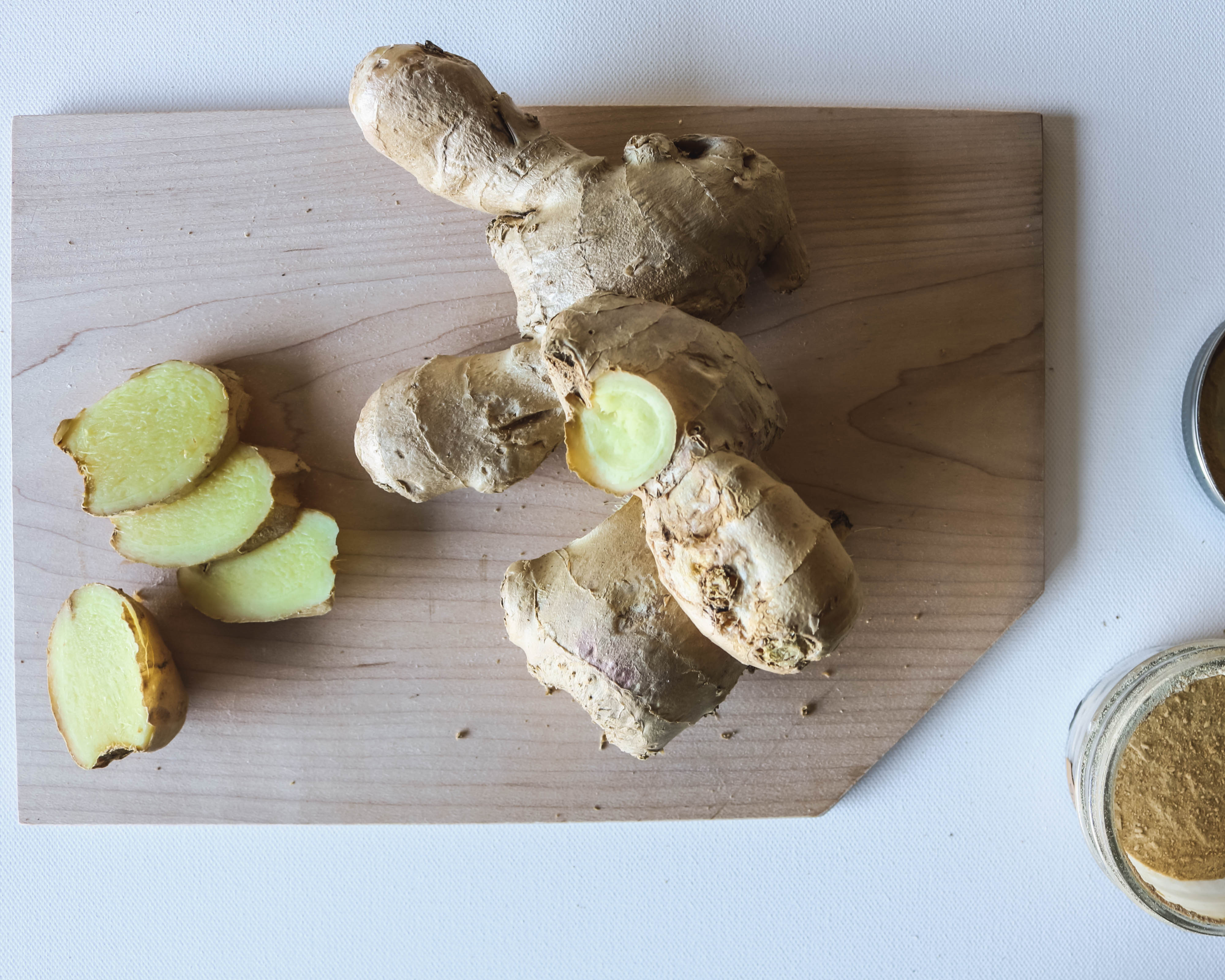
Is Ginger Effective at Relieving Period Pain?
Do you experience cramping discomfort around your menstrual cycle that requires the use of prescription or over-the-counter medication for pain relief? Primary dysmenorrhea is the term used to describe aching or cramping that occurs before or during your menstrual...
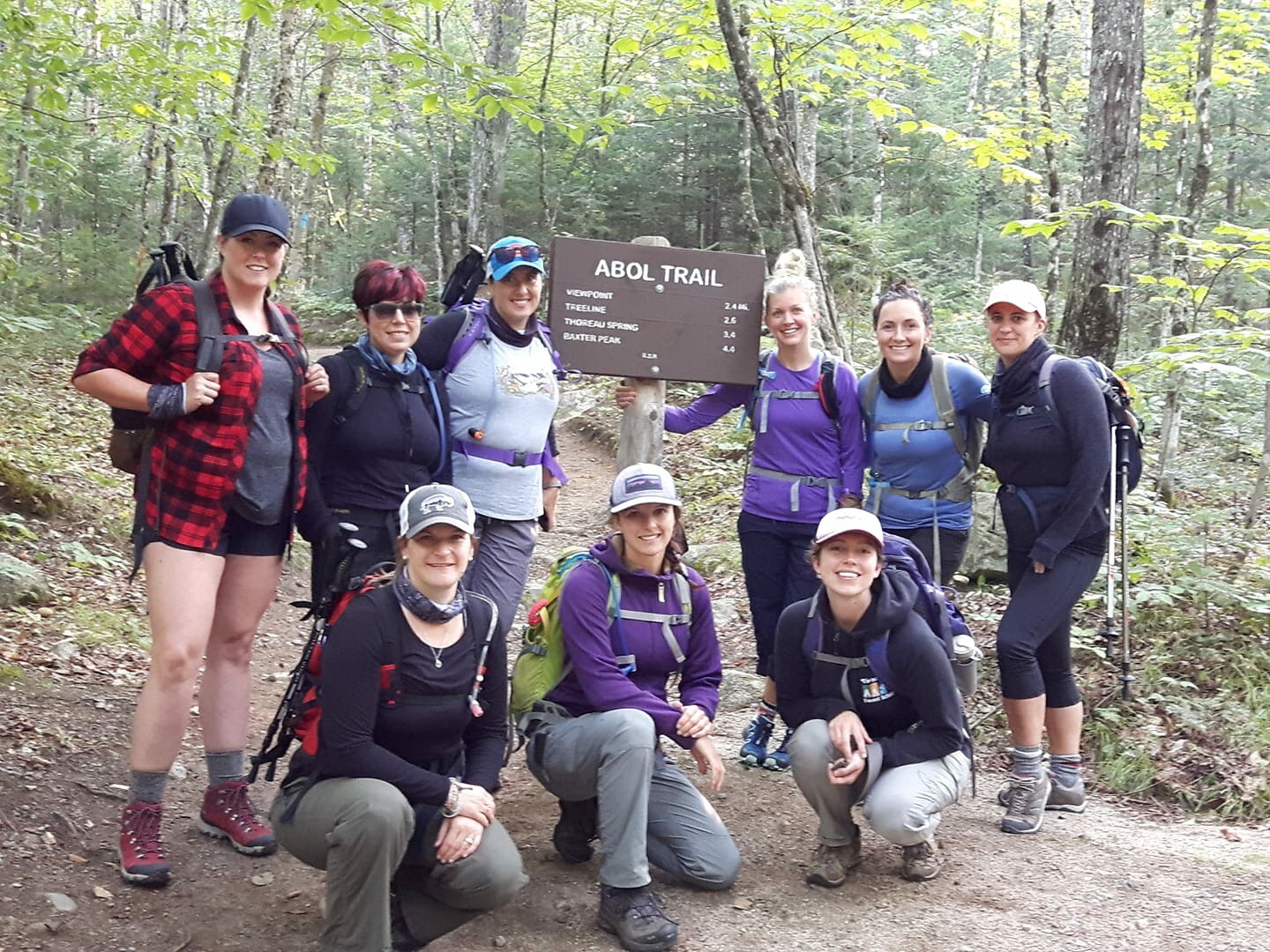
How We Stepped Outside Our Comfort Zone and Why You Should Too
I think it was late Spring that I got a Facebook alert from my dear friend (and Roots to Branches colleague) Charlene Pierce, inviting me for a girls weekend away to hike Mt. Katahdin in Maine. Excited by the weekend away with a bunch of ladies, I quickly accepted...
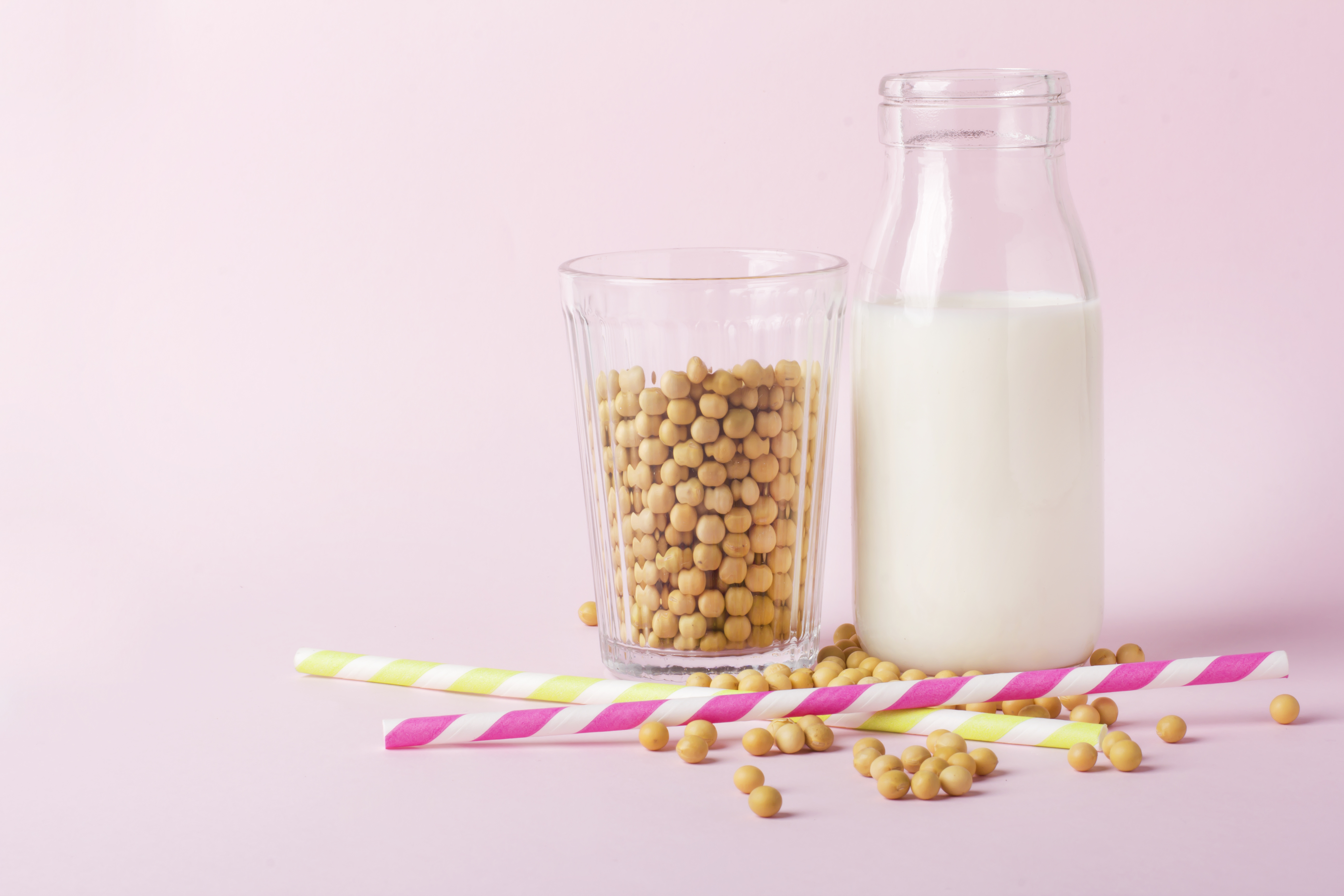
Can Soy Improve Bone and Heart Health Post Menopause?
Bone and cardiovascular health are top priorities when treating menopausal women because of the lost protective effects estrogen has on both of these tissues. In the past, soy has had a controversial reputation in the treatment of women because of it’s supposed...

What I Didn’t Tell You About My Pregnancy and How It Led to My Passion for Treating Infertility
Getting pregnant for me the first time was no problem, for which I am very grateful. In my practice, I see a lot of infertility and experience secondary infertility myself, so I know what a struggle it can be for some folks. During my pregnancy, my first ultrasound...

Gulp?! Can What You Drink Affect Your Ability to Conceive?
Women often become hyper-aware of what they are putting into their bodies once they become pregnant. But did you know it is important to be mindful of these choices while trying to conceive, as well? Studies have shown drink choices can impact the time it takes...
PMS: Your Months Do Not Have to Feel Like This!
Do you lose 1-2 weeks of feeling like yourself every month because of your menstrual cycle? Do you experience mood swings, pronounced fatigue, and muscle tension before your menstrual cycle? Have you missed work because of your menstrual cycle? If so, READ ON because...
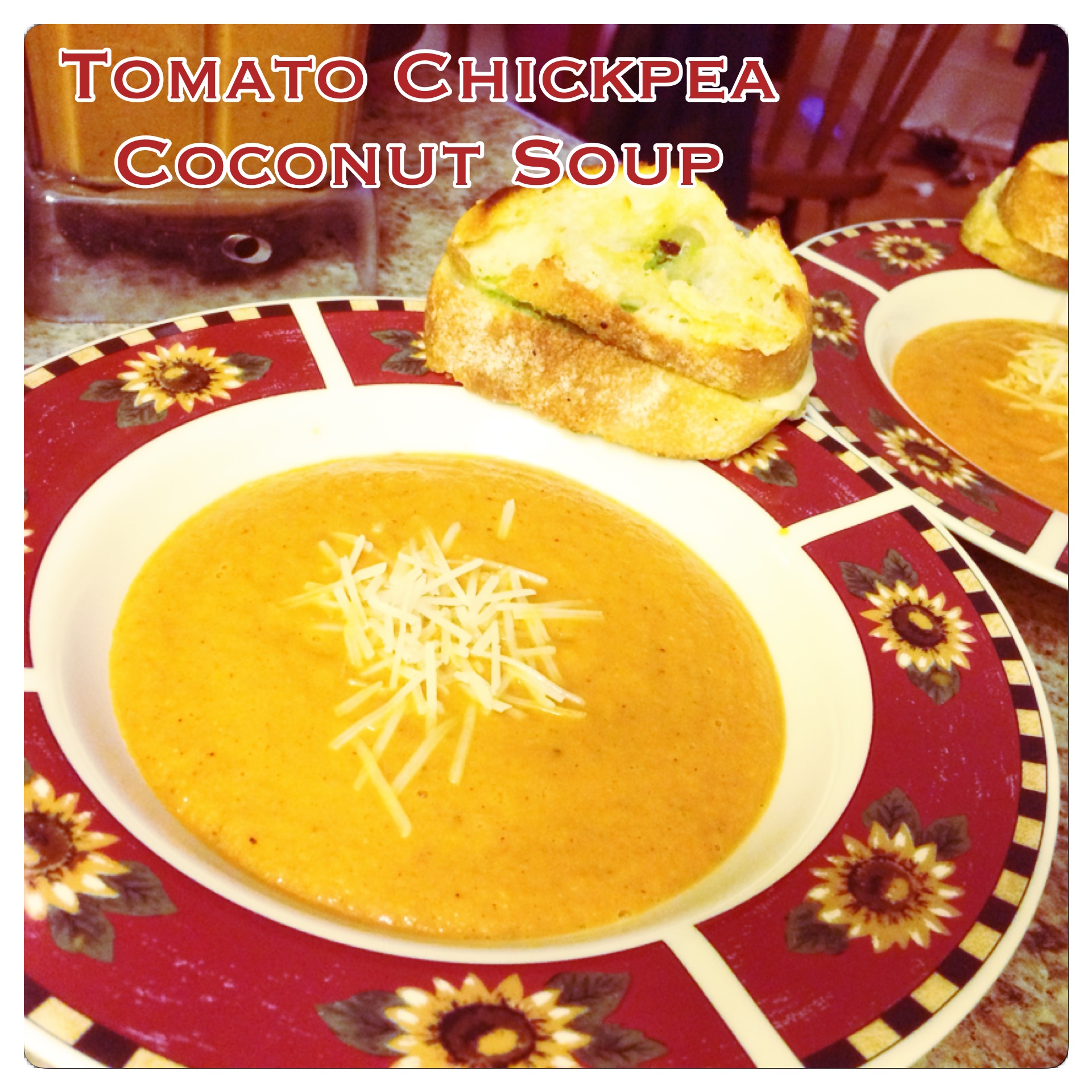
Tomato Chickpea & Coconut Soup
Tomato Chickpea & Coconut Soup Recipe Another very easy way to incorporate chickpeas into your meal. Make it a meatless Monday night for the whole family! What you need: 1 tbsp olive oil 2 large cloves of garlic peeled 1 small yellow onion, diced 1 tsp sweet or...