

Ever lie awake at 3 AM staring at the ceiling, wondering why on earth your brain won’t just shut off? You’re tired. Your body wants to sleep. But your thoughts? Racing. That’s not just “overthinking”—it could be your HPA axis calling the shots.
Let’s break this down.
So, what is the HPA axis?
Your HPA axis stands for the Hypothalamic-Pituitary-Adrenal axis. That’s a mouthful, but here’s what matters: it’s your body’s main stress response system. Think of it as a group chat between your brain and your adrenal glands, helping you deal with stress.
Here’s how it works:
- You feel stressed (hello, tight deadlines, family chaos, or even doom-scrolling TikTok too late at night).
- Your brain sends a message to your adrenal glands.
- Your adrenal glands release cortisol—your body’s main “stay-alert” hormone.
Cortisol is helpful… until it’s not
Cortisol isn’t bad. In fact, you need it. It helps you wake up in the morning, react quickly when something’s wrong, and even manage inflammation.
But if your cortisol stays high for too long—like when you’re always anxious, overwhelmed, or skipping rest—your body forgets how to wind down. That’s when it starts messing with your sleep.
How stress hijacks your sleep
When your stress response is stuck “on,” your cortisol levels might spike when they should be low—like at bedtime. That can lead to:
- Trouble falling asleep
Waking up in the middle of the night - Feeling tired even after 8 hours of sleep
Basically, your body’s acting like it’s morning when it’s actually midnight. Your brain is on high alert, scanning for threats that aren’t there—because it’s been trained by constant stress to stay in survival mode. And that high-alert state? It’s not sleep-friendly.
Research shows that elevated nighttime cortisol is a common thread in people who struggle with insomnia. You might find yourself wide awake between 2–4 AM, even though you know you need the rest. Or maybe you wake up too early and can’t fall back asleep. This isn’t just bad luck—it’s a sign your HPA axis needs support.
Signs your HPA axis needs support
You might need to take a closer look at your stress-sleep connection if:
- You wake up tired but feel more alert late at night
- You rely on caffeine to get through the day, then struggle to settle at night
- You’re constantly feeling “on edge” or overwhelmed
- You crash hard in the afternoon (hello, 3 PM slump)
So, what can help?
This isn’t just about popping melatonin. Supporting your HPA axis means calming your whole system. Here are a few gentle, evidence-backed strategies:
- Get morning light exposure – Step outside within an hour of waking. Natural light tells your brain it’s time to start the day, helping regulate cortisol properly.
- Practice stress-reducing and resiliency-building rituals – Deep breathing, yoga, journaling, or even just saying no to one more obligation. Less stress = happier HPA axis.
- Create a calming sleep routine – Think dim lights, herbal tea, and winding down with a book instead of a screen.
- Exercise smart – Movement helps regulate stress, but too much intense exercise (especially late in the day) can keep your cortisol high.
- Get support – Acupuncture can help with improving sleep quality and duration. In addition, Naturopathic Medicine can guide you through positive sleep habits and herbal and supplemental support for your HPA-axis (and sleep)!
If any of this sounds familiar, please know—you’re not being “lazy” or dramatic. Your nervous system has likely been stuck in go-mode for way too long. And the good news? You can reset it.
With the right support, you can train your body to feel safe again—to fall asleep easily, stay asleep, and wake up actually feeling rested.
Let’s talk about how to support your HPA axis—and help you finally sleep through the night.
Book your free naturopathic meet and greet or your acupuncture appointment today
References
Buckley, T. M., & Schatzberg, A. F. (2005). On the interactions of the hypothalamic-pituitary-adrenal (HPA) axis and sleep: Normal HPA axis activity and circadian rhythm, exemplary sleep disorders. The Journal of Clinical Endocrinology & Metabolism, 90(5), 3106–3114. https://doi.org/10.1210/jc.2004-1056
Fries, E., Dettenborn, L., & Kirschbaum, C. (2009). The cortisol awakening response (CAR): Facts and future directions. Biological Psychology, 82(3), 93–98. https://doi.org/10.1016/j.biopsycho.2009.03.014
Leproult, R., Van Cauter, E., & Copinschi, G. (2001). Light exposure and the sleep/wake cycle. Sleep Medicine Reviews, 5(6), 453–471. https://doi.org/10.1053/smrv.2001.0162
Vgontzas, A. N., Tsigos, C., Bixler, E. O., Stratakis, C. A., Zachman, K., Kales, A., Vela-Bueno, A., Chrousos, G. P. (2001). Chronic insomnia is associated with nyctohemeral activation of the hypothalamic-pituitary-adrenal axis: Clinical implications. The Journal of Clinical Endocrinology & Metabolism, 86(8), 3787–3794. https://doi.org/10.1210/jcem.86.8.7717
READ MORE
Top 3 Hormonal Reasons Why You Are Waking Through the Night
Ah yes! It’s that wonderful time of the day where you get into our cozy jammies, hop in your bed with your soft flannel sheets, pull up that perfectly weighted duvet cover and quickly fall asleep, and drift into dreamland. But, much to your surprise and frustration,...

When Personal and Professional Collide
Are you stuck in the waiting game of infertility? The waiting for 12-months of trying to conceive until you can get a proper workup? The waiting to see an OB/GYN or fertility clinic? The wait for recommended tests and investigation? I've been there too. I first...

8 Ways to Start Recovering from Chronic Stress
Are You Running on Empty? How much do you have left in your tank? Do you feel like you are trying to run on empty? You read our last post on reduced exercise tolerance, and realized that you’ve been drawing more from your energy reserves than you have been putting...
Do You Get Tired After You Exercise?
Do you get tired after you exercise? During this new routine of being home more, I thought it was the perfect time to build an exercise habit. For some reason, a nagging shoulder injury as one excuse, exercise is one healthy habit I have the hardest time being...
The #1 Test You Should Have Done to Assess Your Hormones
Millions of women experience symptoms due to hormonal imbalances such as, premenstrual symptoms (PMS), mood swings, hot flashes, weight gain, low libido, fatigue, and/or menstrual pain. The good news is, with testing we can often identify the hormonal imbalance at...
Women Who Will: A Whole Health Program
Women Who Will: A Whole Health Program There is an epidemic of women being exhausted. I have seen it every day in my practice over the last 7 years, and I’ve experienced it myself. The tricky thing about this epidemic is that often as women we don’t outwardly look...
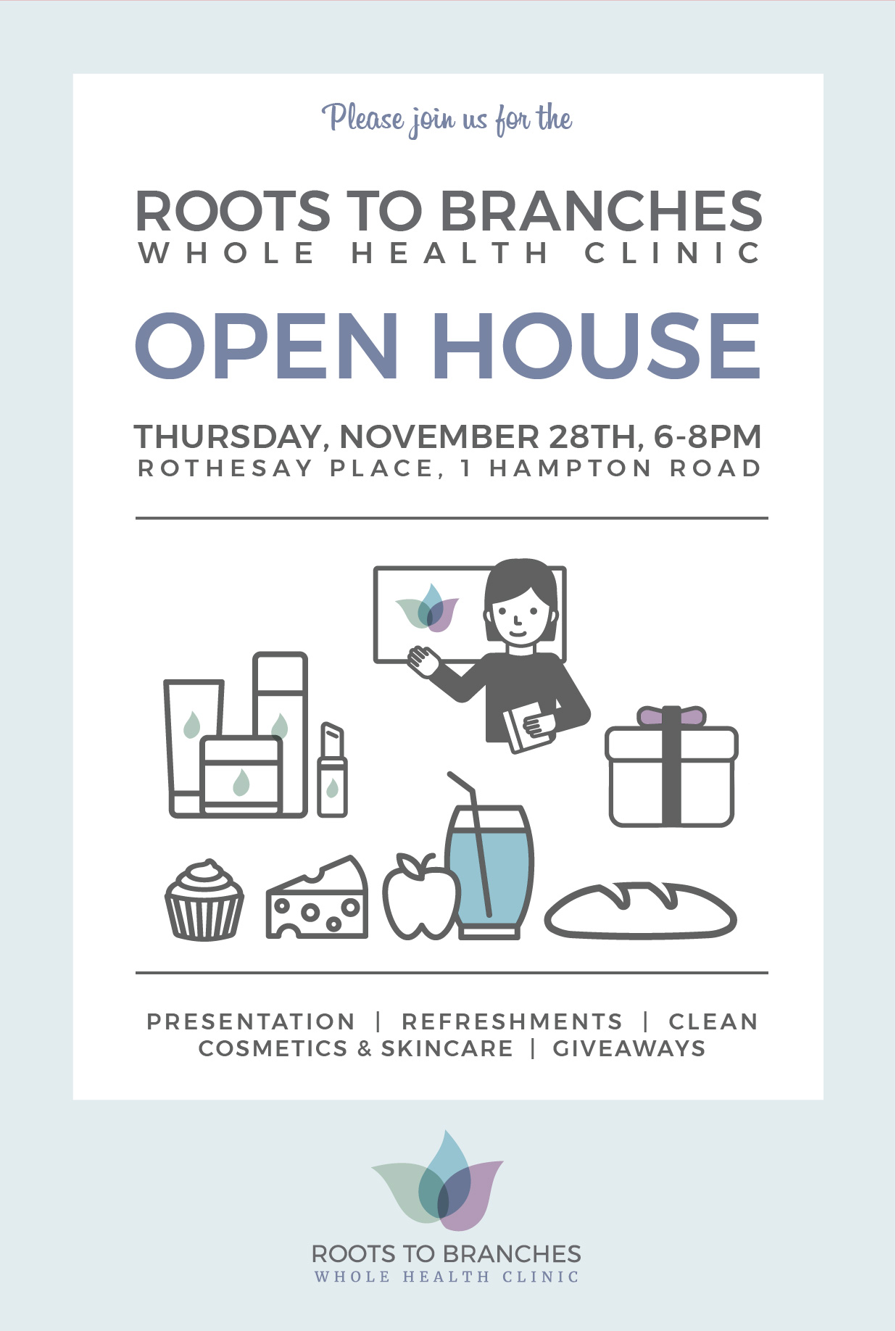
Open House: November 28th 6-8pm
Join us for our Open House and Meet our Team!! The Details: * Presentation from 5:30-6pm: Tired of Feeling Tired? Top 5 Ways to Increase Your Energy and Thrive (reserve your spot, spaces are limited) All are Welcome from 6pm - 8pm: Meet Naturopathic Doctors Dr. Tracy...
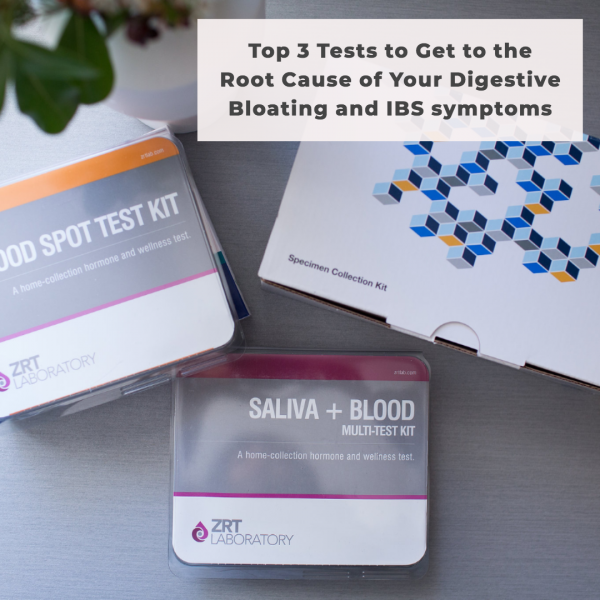
Top 3 Digestive Tests to Get to the Root Cause of Your Bloating and IBS
Did you know that it is not normal to have consistent abdominal bloating? It is not normal to feel like you are 4 months pregnant after you eat! There can be a number of reasons as to why you are experiencing such discomfort, and as Naturopathic Doctors we like to...

Tracy’s Three Words for 2019
We are well into January, but I thought I would share 3 words I am focusing on for 2019. As much as I believe we can create new "resolutions" any time of the year, there is definitely something very natural or intuitive to re-evaluating and reminiscing about the year...
Could Small Intestinal Bacterial Overgrowth be the Cause of your Digestive Symptoms?
A bulk of what we see in practice as Naturopathic Doctors, and what I'd say we often excel at, is improving (if not resolving) people's digestive symptoms. Commonly we see people at the office experiencing variations of constipation or diarrhea, bloating, gas,...