

Let’s set the record straight—postpartum recovery is no joke. Whether you had a smooth birth or a bumpy ride, welcoming a baby into the world is a full-body, full-heart, full-soul experience. And yet, somehow, new moms are still expected to “bounce back” in six weeks? Here’s what we really want you to know:
1. Postpartum Recovery Takes More Than 6 Weeks
Six weeks might be the check-up date (literally the only check up date for Mom) —but it’s definitely not the finish line. Healing is layered: from your pelvic floor and core muscles to your mental bandwidth and identity. Research shows that tissue healing after birth (especially if you’ve had tearing or a C-section) can take months, not weeks.¹
✨ What can help?
- Book a postpartum pelvic floor assessment—physiotherapy can help improve core strength, reduce incontinence, and support long-term pelvic health.
- Be kind to yourself. Healing is not linear, and “slow” is not a failure.
2. Sleep Deprivation Is Real (and can slow healing)
You’re not just tired—you’re sleep deprived. Sleep is critical for wound healing, hormone regulation, and emotional resilience. Studies show that chronic lack of sleep in postpartum parents is linked to increased inflammation and postpartum mood disorders.²
✨ What can help?
- Aim for rest when you can (even 20–30 minute naps can improve mood and focus).
- Consider acupuncture or lifestyle support from a Naturopathic Doctor for support on helping your body adapt to the change in sleep patterns.
3. You Might Still Look Pregnant—and That’s Normal
Your uterus shrinks gradually, and stretched core muscles take time to restore. Diastasis recti (abdominal separation) is common postpartum and improves best with targeted rehab, not crunches.³
✨ What can help?
- Gentle rehab exercises under the guidance of a trained physiotherapist can help close the gap and rebuild strength.
- Avoid comparing your body to social media snapshots. Real postpartum bodies are healing bodies.
4. Your Mental Health Matters Just As Much As Your Physical Health
Mood swings, intrusive thoughts, irritability, and weepiness can all show up—sometimes unexpectedly. Up to 1 in 5 women experience a postpartum mood disorder, and it’s not a sign of weakness or failure.⁴
✨ What can help?
- Talk to a counsellor trained in postpartum mental health. Therapy can help reduce anxiety, process big identity shifts, and build resilience.
- Don’t wait until you’re “barely coping”—early support is powerful and protective.
5. Every Recovery is Different
Maybe your best friend was jogging at 6 weeks and you still wince walking the stairs. That doesn’t mean you’re doing it wrong. Birth, babies, and bodies are different—and your journey is uniquely yours.
✨ What can help?
- Find a supportive care team that validates your experience and walks alongside you.
- Your care doesn’t end with the baby’s birth—it continues with you.
You don’t have to do this alone. At Roots to Branches, we support the whole you—body, mind, and spirit—through postpartum and beyond. Whether you need physical recovery, emotional grounding, or sleep and nutrition support, our team of Naturopathic Doctors, physiotherapists, chiropractors, counsellors, and massage therapists are here for you.
???? Book your appointment today and take the next step toward feeling like yourself again: Book here
Not ready to come in yet?
Read More: Chiropractic Care for Babies: Busting Common Myths with Facts
Start small: Download our FREE 30-Day ‘Prioritize Your Health Challenge’ to begin reclaiming your energy and wellbeing—one gentle step at a time.
References:
Benjamin, D. R., van de Water, A. T., Peiris, C. L., & Maher, C. G. (2014). Diastasis recti abdominis during pregnancy and postpartum: A systematic review. Physiotherapy, 100(1), 1–8. https://doi.org/10.1016/j.physio.2013.08.005
Glazener, C. M., Abdalla, M., Stroud, P., Templeton, A., Russell, I. T., & Naji, S. (1995). Postnatal maternal health problems after childbirth among women in the Avon Longitudinal Study of Pregnancy and Childhood (ALSPAC) study. BJOG: An International Journal of Obstetrics & Gynaecology, 102(7), 595–602. https://doi.org/10.1111/j.1471-0528.1995.tb11364.x
Okun, M. L. (2016). Sleep and postpartum depression. Current Opinion in Psychiatry, 29(6), 490–496. https://doi.org/10.1097/YCO.0000000000000309
Stewart, D. E., & Vigod, S. N. (2016). Postpartum depression: Pathophysiology, treatment, and emerging therapeutics. Annual Review of Medicine, 67, 231–245. https://doi.org/10.1146/annurev-med-111314-033625
READ MORE
My Top Five Personal Care Products that Work
Do you ever slather yourself with lotion or sunscreen and not think anything of it? Of course, you have. I know I have. You often think about the food you eat ? and exercise ? as part of your health plan, but you don’t always think about what you are putting on...
Let’s Stop Normalizing Period Pain
News flash: your period pain should not be debilitating; you should not be missing work because of your menstrual cycle - this is not normal. If you have to take more than two over-the-counter pain medications per month to manage your period pain, this is...
5 Lessons from Taking my Five-Year-Old Skiing
We, like many other families this winter, decided to take up skiing. In the past, I have snowboarded but hadn’t skied since about grade five back when you would go with your school. We started out on the bunny hill and I got my five-year-old a 2-hour lesson. I was...
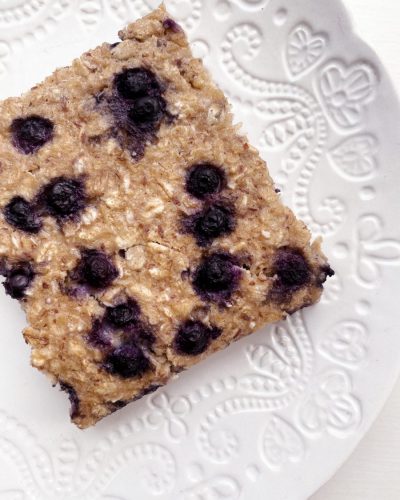
The Best Blueberry Baked Oatmeal
This has blueberry baked oatmeal has become a household favourite for a quick reheat breakfast option on these cool winter days. Ingredients: 2 ¾ cups old fashioned oats 2 Tbsp ground flax 1 tsp baking powder½ - 1 tsp ground cinnamon¼ tsp nutmeg1/4 cup maple...
3 Ways I Created More Time for Myself
How often do you say out loud or think to yourself, “I don’t have time for that,” or “there is not enough time in the day.” This belief can be one of the greatest obstacles to creating a new habit or from taking time to do something for yourself. I can...

3 Menstrual Symptoms that Should Not Be Called “Your Normal”
I see so many women regularly with symptoms regarding their periods that they are concerned about but are told by others that it, "might just be your normal." Regularly missing periods or having to miss work because of your periods is not "your normal." Keep reading...

Five Simple Health Tips you can Start Today
It’s the small things that you do on a regular basis that count more to your health than the once in a while things you do. Often people will get caught up in making extreme changes but this is not a sustainable approach and does not amount to a consistent lifestyle...
Five of My Pantry Must-Haves
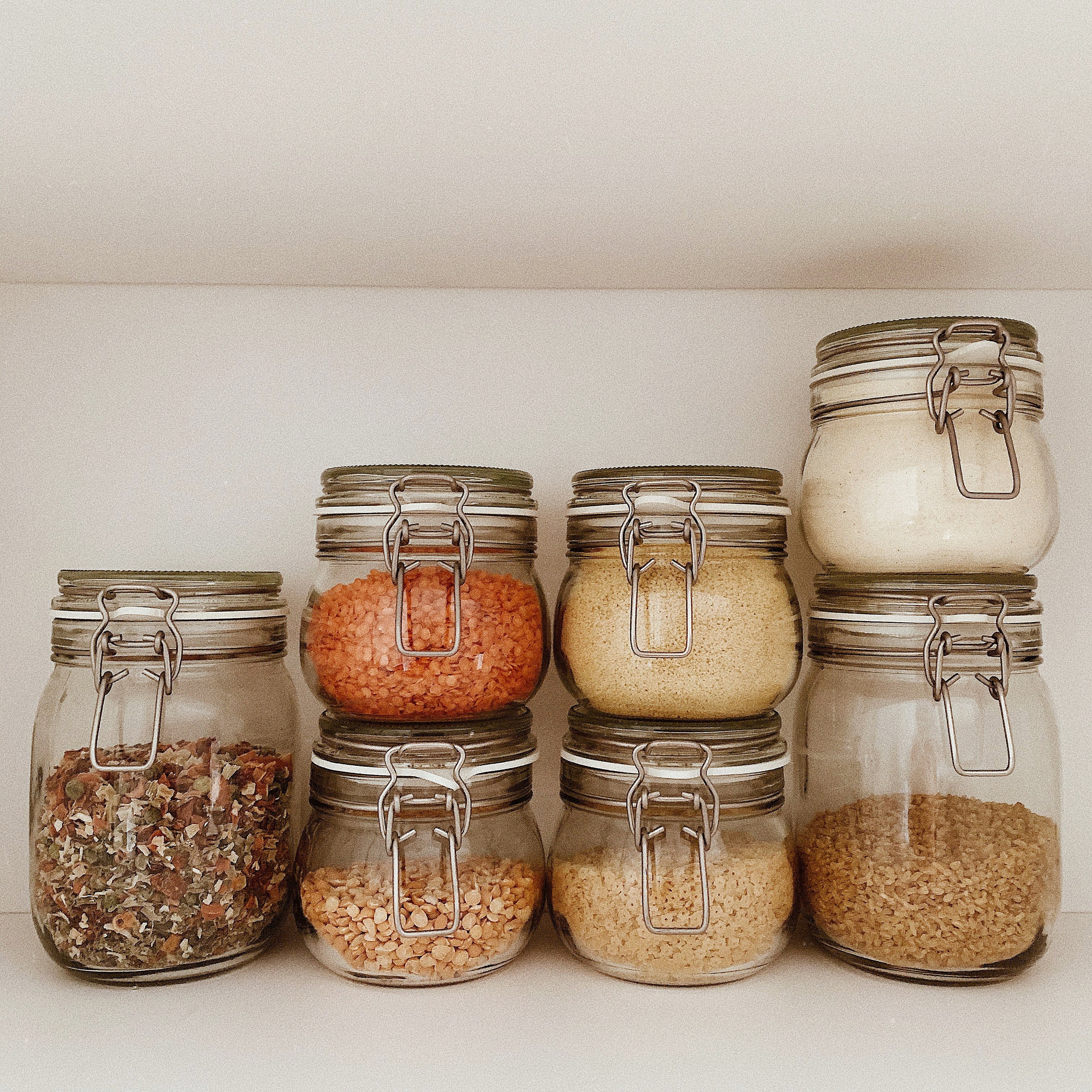
There are a few things that I always keep stocked in my pantry that helps add nutrient density to any snack or meal. Here are my top 5 pantry must-haves. Coffee. Well, I suppose this can’t be added to just about everything but it is definitely my number one pantry...

5 Tips for Eating Well When Working from Home
We are all having to adjust to a new normal during COVID-19 and social isolation. People are spending a lot more time at home, whether that is working from home, homeschooling, and/or managing family life at home. With this extra home dwelling, the urge for more...
Top 3 Hormonal Reasons Why You Are Waking Through the Night
Ah yes! It’s that wonderful time of the day where you get into our cozy jammies, hop in your bed with your soft flannel sheets, pull up that perfectly weighted duvet cover and quickly fall asleep, and drift into dreamland. But, much to your surprise and frustration,...