
Why Your Holiday Glass of Wine Hits… Differently Now
The holidays are here — the season of sparkling lights, cozy gatherings, and just one more festive glass of wine because your friend is having one and it feels rude to say no.
But maybe you’ve noticed something lately.
Where a couple of glasses used to leave you bubbly, now the same amount has you wide awake at 3 a.m., sweating with your heart thumping like you’re in a spin class.
If this sounds familiar… welcome to the very common, “my-body-doesn’t-do-alcohol-like-it-used-to” club.
And if you are somewhere in perimenopause (or suspect you might be), you’re not imagining it — alcohol truly does hit differently.
It’s Not You — It’s Biology (and She’s a little sassier in your 40s+)
1. Your body has less water to “dilute” alcohol
Women naturally have a higher fat-to-water ratio than men, and less water = alcohol becomes more concentrated in your bloodstream.
2. Your stomach isn’t breaking down alcohol as efficiently
Women have 30–40% lower gastric alcohol dehydrogenase (ADH) activity than men — the enzyme that starts processing alcohol before it even gets to your bloodstream.
As we age? That enzyme activity can dip even more.
Meaning: more unmetabolized alcohol enters the bloodstream, and your body feels that glass of wine stronger.
3. Hormones + alcohol = a dramatic duo
Estrogen can slow down alcohol metabolism and intensify its effects. Fun, right?! Research shows that having alcohol during the luteal phase — the week or two before your period — can actually stir up PMS-like symptoms, even in women who don’t usually notice PMS at all.
The Effects of Alcohol on Hormone Symptoms
1. Hot flashes get hotter
Alcohol is a vasodilator, meaning it opens blood vessels and makes those “internal bonfires” even spicier.
2. Sleep becomes… not sleep
Alcohol can help you fall asleep, but it dramatically disrupts REM and deep sleep.
Add perimenopause’s already-fragile sleep? Cue 3 a.m. wide-awake moments, leaving you tired the next day.
3. Body composition changes
Alcohol contains calories of its own, and it can also make those salty snacks or late-night nibbles feel a little more appealing. It’s not about “willpower” — it’s just how alcohol nudges appetite and choices.
4. Brain fog intensifies
Women’s brains are more vulnerable to alcohol-related neurotoxicity than men’s (Hommer et al., 2001). Meaning the forgetfulness that already shows up in perimenopause gets an unwanted boost. Plus, it can worsen mood symptoms such as anxiety.
5. Disease risks increase with alcohol
Even low levels of regular alcohol intake (>2 drinks per week) increase risk of health conditions such as breast cancer — something many midlife women aren’t told clearly enough.
“Okay… so is the answer no alcohol ever?”
Deep breath — no, not necessarily. This is not a blog about perfection.
It is about understanding what’s happening so you can make choices that actually support the version of how you want to feel — the rested, vibrant, less-irritated version.
Four Simple Ways to Sip Smarter This Season
- Know your new limit (it’s allowed to change!)
Maybe it’s one drink.
Maybe it’s half a drink.
Maybe it’s “I prefer to wake up rested tomorrow.”
All are valid. - Avoid a drink on an empty stomach + hydrate well
Protein + fibre + healthy fats slow alcohol absorption. - Have a cozy, festive mocktail ready
Half the fun is the ritual — the glass, the clink, the moment.
(See recipes below!) - Notice how you feel — then choose what supports you
This is not about restriction.
It’s about paying attention and honouring how your body feels (and how you want it to feel!)
Cozy Apple Cider Mule
Ingredients (1 serving):
- ½ cup unsweetened apple cider
- ½ cup ginger beer (or ginger ale if you prefer less bite)
- Ice
- Optional garnishes: cinnamon stick, apple slices, fresh rosemary, or a twist of orange peel
Instructions:
- Fill a glass with ice.
- Pour in the apple cider.
- Top with ginger beer.
- Gently stir.
- Garnish with a cinnamon stick or rosemary sprig for that cozy, wintery feel.
Optional upgrades:
- A squeeze of fresh lemon to brighten it up
- A dash of cinnamon or nutmeg on top
Perfect for holiday gatherings when you want something festive that still lets you feel great the next day 💛❄️
Festive Pomegranate Sparkler
Ingredients (1 serving):
- ½ cup BeBe’s Festive Pomegranate Drink
- ½ cup sparkling water or plain soda water
- Ice
- Optional garnishes: fresh pomegranate arils, rosemary sprig, or a twist of lime
Instructions:
- Fill a glass with ice.
- Pour in BeBe’s Festive Pomegranate Drink.
- Top with sparkling water.
- Gently stir.
- Garnish with a few pomegranate seeds or a sprig of rosemary.
Optional upgrades:
- A squeeze of fresh lime for brightness
- Use ginger ale instead of sparkling water for a warmer, spiced feel
It’s light, refreshing, and perfect for holiday gatherings when you want something celebratory without the next-day fog
Your Next Steps…
You don’t have to figure this out alone. If your hormone and perimenopause symptoms are starting to feel louder, our team is here to listen and help you find a path forward to your thriving self. Book a hormone health appointment HERE. Get counselling support for your habit changes HERE
READ MORE

When Personal and Professional Collide
Are you stuck in the waiting game of infertility? The waiting for 12-months of trying to conceive until you can get a proper workup? The waiting to see an OB/GYN or fertility clinic? The wait for recommended tests and investigation? I've been there too. I first...

8 Ways to Start Recovering from Chronic Stress
Are You Running on Empty? How much do you have left in your tank? Do you feel like you are trying to run on empty? You read our last post on reduced exercise tolerance, and realized that you’ve been drawing more from your energy reserves than you have been putting...
Do You Get Tired After You Exercise?
Do you get tired after you exercise? During this new routine of being home more, I thought it was the perfect time to build an exercise habit. For some reason, a nagging shoulder injury as one excuse, exercise is one healthy habit I have the hardest time being...
The #1 Test You Should Have Done to Assess Your Hormones
Millions of women experience symptoms due to hormonal imbalances such as, premenstrual symptoms (PMS), mood swings, hot flashes, weight gain, low libido, fatigue, and/or menstrual pain. The good news is, with testing we can often identify the hormonal imbalance at...
Women Who Will: A Whole Health Program
Women Who Will: A Whole Health Program There is an epidemic of women being exhausted. I have seen it every day in my practice over the last 7 years, and I’ve experienced it myself. The tricky thing about this epidemic is that often as women we don’t outwardly look...
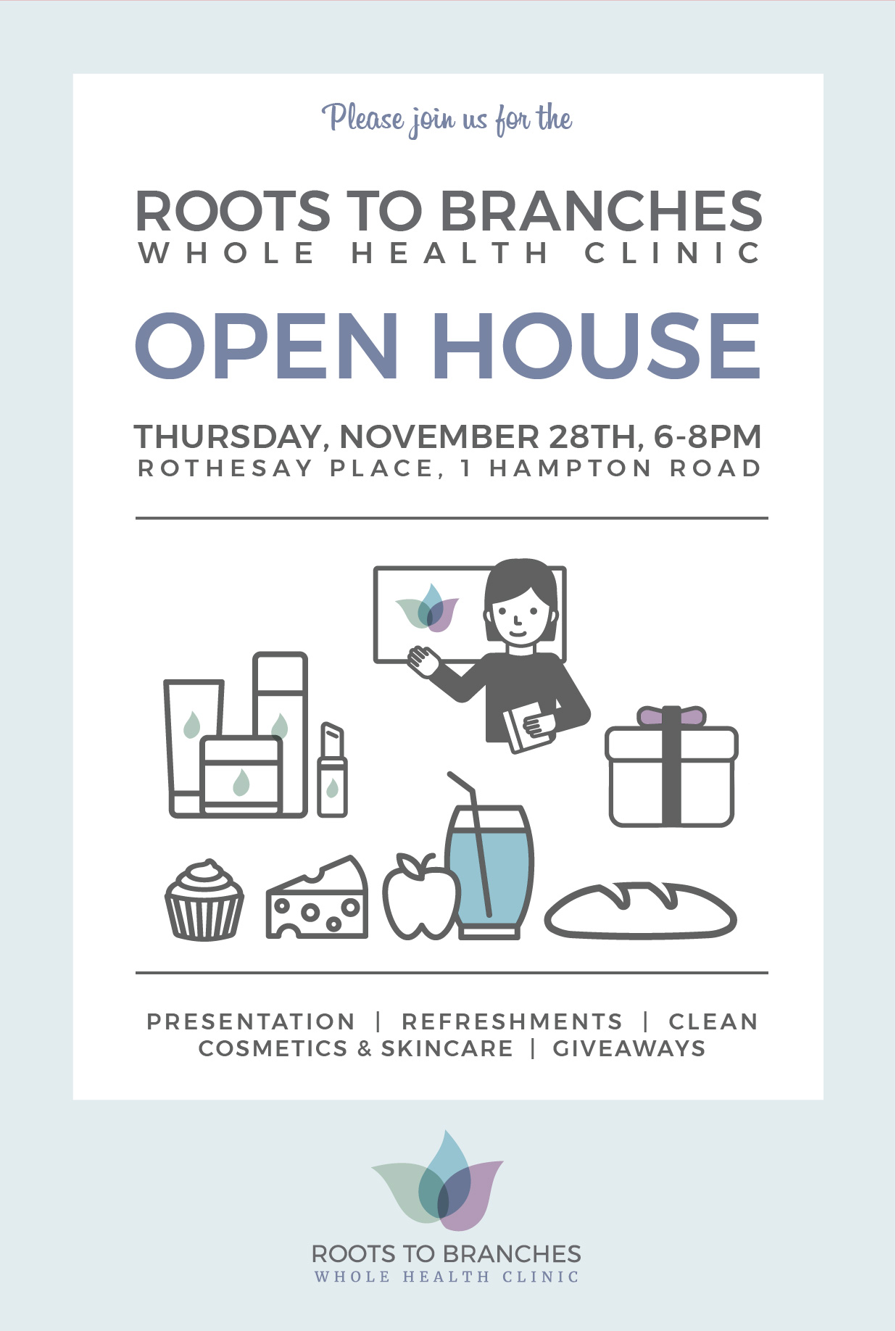
Open House: November 28th 6-8pm
Join us for our Open House and Meet our Team!! The Details: * Presentation from 5:30-6pm: Tired of Feeling Tired? Top 5 Ways to Increase Your Energy and Thrive (reserve your spot, spaces are limited) All are Welcome from 6pm - 8pm: Meet Naturopathic Doctors Dr. Tracy...
Top 3 Digestive Tests to Get to the Root Cause of Your Bloating and IBS
Did you know that it is not normal to have consistent abdominal bloating? It is not normal to feel like you are 4 months pregnant after you eat! There can be a number of reasons as to why you are experiencing such discomfort, and as Naturopathic Doctors we like to...

Tracy’s Three Words for 2019
We are well into January, but I thought I would share 3 words I am focusing on for 2019. As much as I believe we can create new "resolutions" any time of the year, there is definitely something very natural or intuitive to re-evaluating and reminiscing about the year...

Could Small Intestinal Bacterial Overgrowth be the Cause of your Digestive Symptoms?
A bulk of what we see in practice as Naturopathic Doctors, and what I'd say we often excel at, is improving (if not resolving) people's digestive symptoms. Commonly we see people at the office experiencing variations of constipation or diarrhea, bloating, gas,...
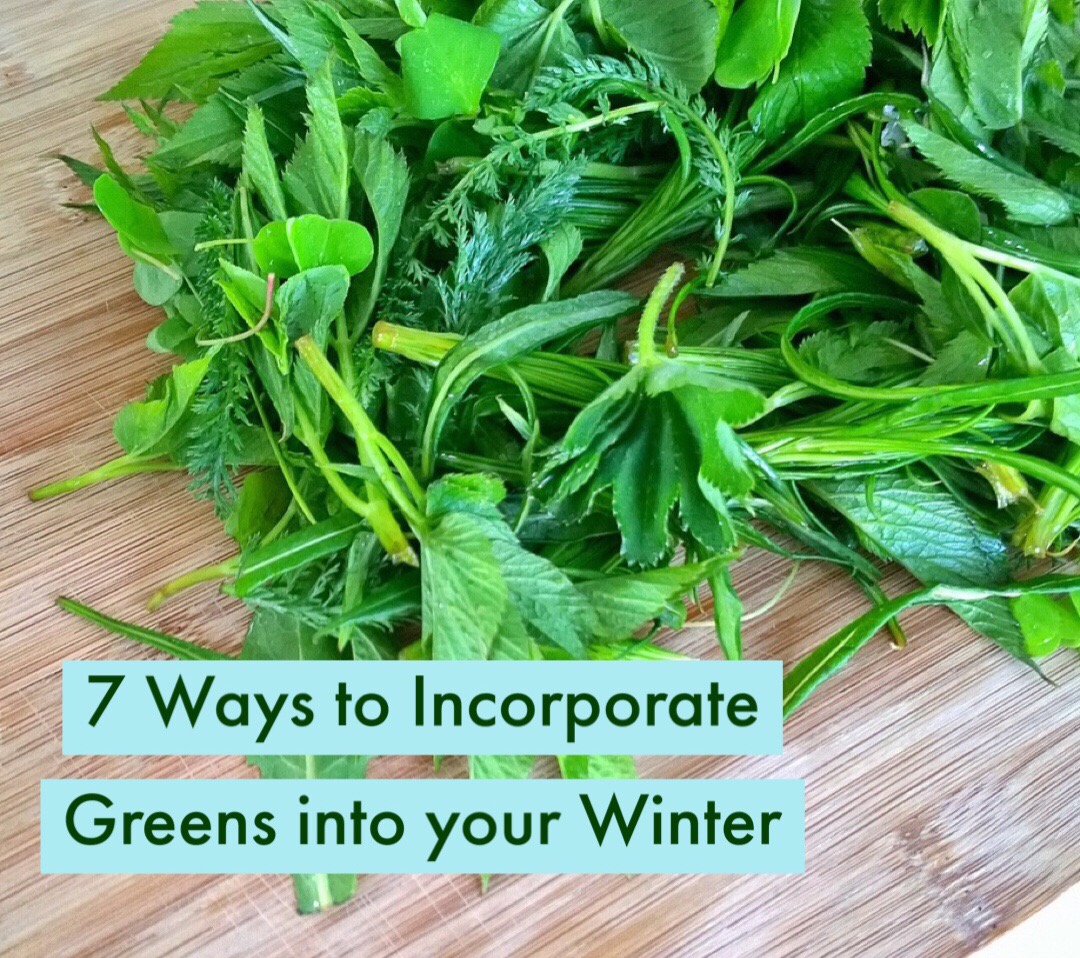
7 Ways to Incorporate Dark Leafy Greens into your Winter
As Naturopathic Doctors, we love to remind our patients about the value of dark, leafy greens. Ideally, we get the majority of our nutrients from whole foods, and leafy greens are true nutritional powerhouses. I often recommend a serving of leafy greens a day, and...