

Let’s set the record straight—postpartum recovery is no joke. Whether you had a smooth birth or a bumpy ride, welcoming a baby into the world is a full-body, full-heart, full-soul experience. And yet, somehow, new moms are still expected to “bounce back” in six weeks? Here’s what we really want you to know:
1. Postpartum Recovery Takes More Than 6 Weeks
Six weeks might be the check-up date (literally the only check up date for Mom) —but it’s definitely not the finish line. Healing is layered: from your pelvic floor and core muscles to your mental bandwidth and identity. Research shows that tissue healing after birth (especially if you’ve had tearing or a C-section) can take months, not weeks.¹
✨ What can help?
- Book a postpartum pelvic floor assessment—physiotherapy can help improve core strength, reduce incontinence, and support long-term pelvic health.
- Be kind to yourself. Healing is not linear, and “slow” is not a failure.
2. Sleep Deprivation Is Real (and can slow healing)
You’re not just tired—you’re sleep deprived. Sleep is critical for wound healing, hormone regulation, and emotional resilience. Studies show that chronic lack of sleep in postpartum parents is linked to increased inflammation and postpartum mood disorders.²
✨ What can help?
- Aim for rest when you can (even 20–30 minute naps can improve mood and focus).
- Consider acupuncture or lifestyle support from a Naturopathic Doctor for support on helping your body adapt to the change in sleep patterns.
3. You Might Still Look Pregnant—and That’s Normal
Your uterus shrinks gradually, and stretched core muscles take time to restore. Diastasis recti (abdominal separation) is common postpartum and improves best with targeted rehab, not crunches.³
✨ What can help?
- Gentle rehab exercises under the guidance of a trained physiotherapist can help close the gap and rebuild strength.
- Avoid comparing your body to social media snapshots. Real postpartum bodies are healing bodies.
4. Your Mental Health Matters Just As Much As Your Physical Health
Mood swings, intrusive thoughts, irritability, and weepiness can all show up—sometimes unexpectedly. Up to 1 in 5 women experience a postpartum mood disorder, and it’s not a sign of weakness or failure.⁴
✨ What can help?
- Talk to a counsellor trained in postpartum mental health. Therapy can help reduce anxiety, process big identity shifts, and build resilience.
- Don’t wait until you’re “barely coping”—early support is powerful and protective.
5. Every Recovery is Different
Maybe your best friend was jogging at 6 weeks and you still wince walking the stairs. That doesn’t mean you’re doing it wrong. Birth, babies, and bodies are different—and your journey is uniquely yours.
✨ What can help?
- Find a supportive care team that validates your experience and walks alongside you.
- Your care doesn’t end with the baby’s birth—it continues with you.
You don’t have to do this alone. At Roots to Branches, we support the whole you—body, mind, and spirit—through postpartum and beyond. Whether you need physical recovery, emotional grounding, or sleep and nutrition support, our team of Naturopathic Doctors, physiotherapists, chiropractors, counsellors, and massage therapists are here for you.
???? Book your appointment today and take the next step toward feeling like yourself again: Book here
Not ready to come in yet?
Read More: Chiropractic Care for Babies: Busting Common Myths with Facts
Start small: Download our FREE 30-Day ‘Prioritize Your Health Challenge’ to begin reclaiming your energy and wellbeing—one gentle step at a time.
References:
Benjamin, D. R., van de Water, A. T., Peiris, C. L., & Maher, C. G. (2014). Diastasis recti abdominis during pregnancy and postpartum: A systematic review. Physiotherapy, 100(1), 1–8. https://doi.org/10.1016/j.physio.2013.08.005
Glazener, C. M., Abdalla, M., Stroud, P., Templeton, A., Russell, I. T., & Naji, S. (1995). Postnatal maternal health problems after childbirth among women in the Avon Longitudinal Study of Pregnancy and Childhood (ALSPAC) study. BJOG: An International Journal of Obstetrics & Gynaecology, 102(7), 595–602. https://doi.org/10.1111/j.1471-0528.1995.tb11364.x
Okun, M. L. (2016). Sleep and postpartum depression. Current Opinion in Psychiatry, 29(6), 490–496. https://doi.org/10.1097/YCO.0000000000000309
Stewart, D. E., & Vigod, S. N. (2016). Postpartum depression: Pathophysiology, treatment, and emerging therapeutics. Annual Review of Medicine, 67, 231–245. https://doi.org/10.1146/annurev-med-111314-033625
READ MORE
When Personal and Professional Collide
Are you stuck in the waiting game of infertility? The waiting for 12-months of trying to conceive until you can get a proper workup? The waiting to see an OB/GYN or fertility clinic? The wait for recommended tests and investigation? I've been there too. I first...

8 Ways to Start Recovering from Chronic Stress
Are You Running on Empty? How much do you have left in your tank? Do you feel like you are trying to run on empty? You read our last post on reduced exercise tolerance, and realized that you’ve been drawing more from your energy reserves than you have been putting...
Do You Get Tired After You Exercise?
Do you get tired after you exercise? During this new routine of being home more, I thought it was the perfect time to build an exercise habit. For some reason, a nagging shoulder injury as one excuse, exercise is one healthy habit I have the hardest time being...
The #1 Test You Should Have Done to Assess Your Hormones
Millions of women experience symptoms due to hormonal imbalances such as, premenstrual symptoms (PMS), mood swings, hot flashes, weight gain, low libido, fatigue, and/or menstrual pain. The good news is, with testing we can often identify the hormonal imbalance at...
Women Who Will: A Whole Health Program
Women Who Will: A Whole Health Program There is an epidemic of women being exhausted. I have seen it every day in my practice over the last 7 years, and I’ve experienced it myself. The tricky thing about this epidemic is that often as women we don’t outwardly look...
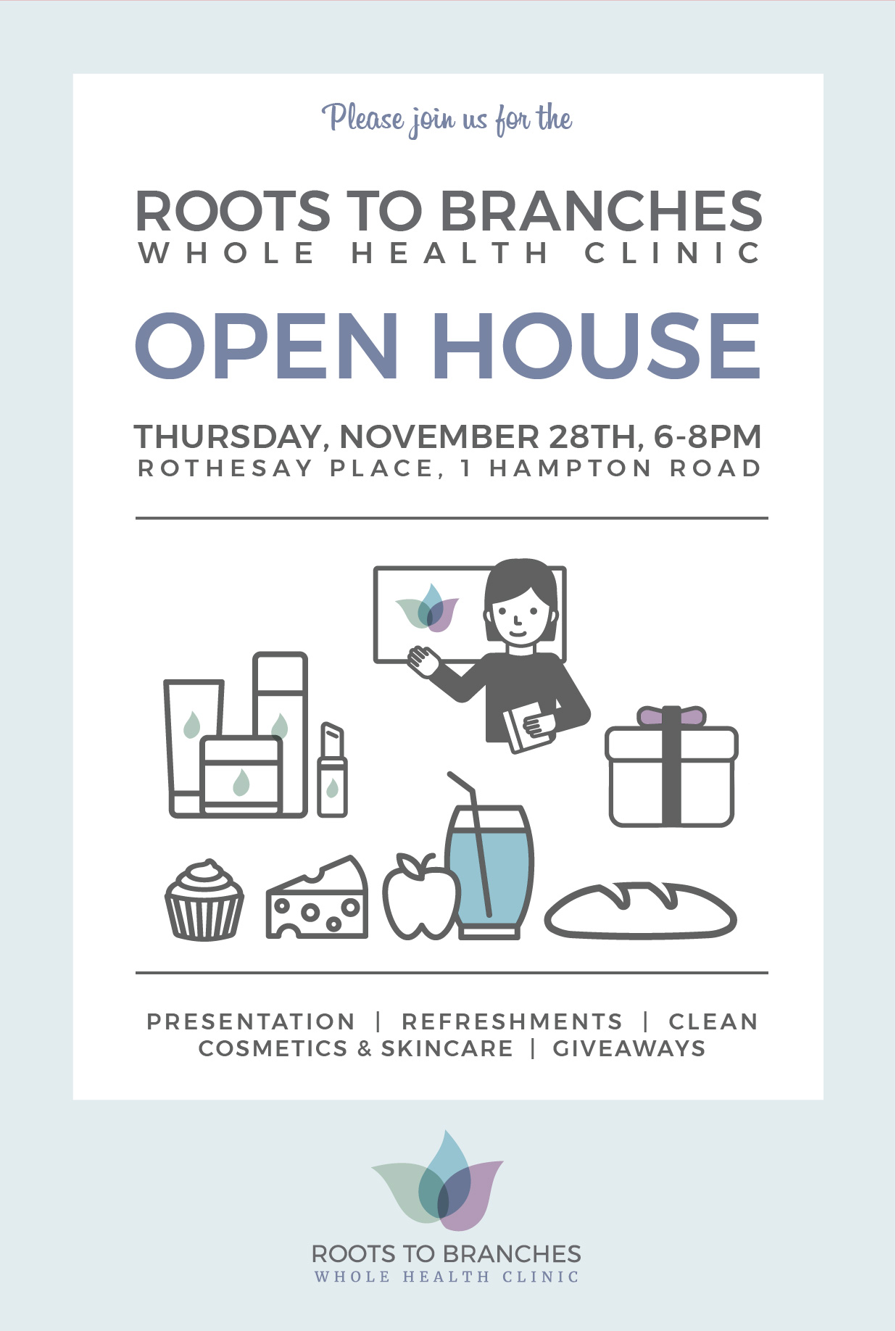
Open House: November 28th 6-8pm
Join us for our Open House and Meet our Team!! The Details: * Presentation from 5:30-6pm: Tired of Feeling Tired? Top 5 Ways to Increase Your Energy and Thrive (reserve your spot, spaces are limited) All are Welcome from 6pm - 8pm: Meet Naturopathic Doctors Dr. Tracy...
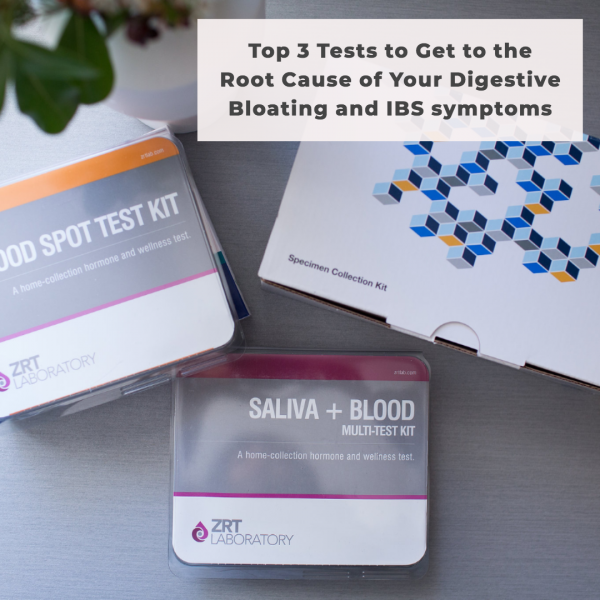
Top 3 Digestive Tests to Get to the Root Cause of Your Bloating and IBS
Did you know that it is not normal to have consistent abdominal bloating? It is not normal to feel like you are 4 months pregnant after you eat! There can be a number of reasons as to why you are experiencing such discomfort, and as Naturopathic Doctors we like to...
Tracy’s Three Words for 2019
We are well into January, but I thought I would share 3 words I am focusing on for 2019. As much as I believe we can create new "resolutions" any time of the year, there is definitely something very natural or intuitive to re-evaluating and reminiscing about the year...
Could Small Intestinal Bacterial Overgrowth be the Cause of your Digestive Symptoms?
A bulk of what we see in practice as Naturopathic Doctors, and what I'd say we often excel at, is improving (if not resolving) people's digestive symptoms. Commonly we see people at the office experiencing variations of constipation or diarrhea, bloating, gas,...

7 Ways to Incorporate Dark Leafy Greens into your Winter
As Naturopathic Doctors, we love to remind our patients about the value of dark, leafy greens. Ideally, we get the majority of our nutrients from whole foods, and leafy greens are true nutritional powerhouses. I often recommend a serving of leafy greens a day, and...